

AeroPress Techniques for Clean, Smooth Coffee
The AeroPress is one of the simplest ways to brew coffee that tastes clean, smooth, and focused. It is fast, portable, and forgiving, but the real magic is how much control you get over clarity, body, and sweetness.
This guide covers reliable AeroPress techniques for clean cups, how to dial in grind and water to avoid harshness, and a few proven upgrades that make results more consistent from cup to cup.
Key Takeaways
- Use a medium-fine grind and a short steep for clean, sweet cups.
- Control water temperature to reduce bitterness and improve clarity.
- The inverted method helps with repeatable steep time and fuller flavor.
- Paper filters give the cleanest profile, while metal filters add body.
- Small changes to ratio and plunge speed often fix most problems.
Key Background and Context
AeroPress brewing sits between immersion and pressure. You steep coffee and water together, then press the brew through a filter. That hybrid approach is why AeroPress cups can taste both clean and flavorful.
Most “muddy” or harsh AeroPress cups come from a few controllable variables: grind size, water temperature, brew ratio, steep time, and plunge speed. If you keep everything else steady and adjust one variable at a time, you can dial in a smooth cup quickly.
Core Concepts
Grind size controls clarity and extraction
A medium-fine grind is the usual starting point for AeroPress. Too fine can taste bitter and can make pressing harder. Too coarse can taste thin or sour. The goal is a grind that extracts sweetness without adding harshness.
Water temperature controls harshness
Hotter water extracts faster and can amplify bitterness if your grind is fine or your steep is long. Slightly cooler water can emphasize sweetness and soften sharp notes. If a cup tastes aggressive, lower the temperature before changing everything else.
Pressure and plunge speed shape the finish
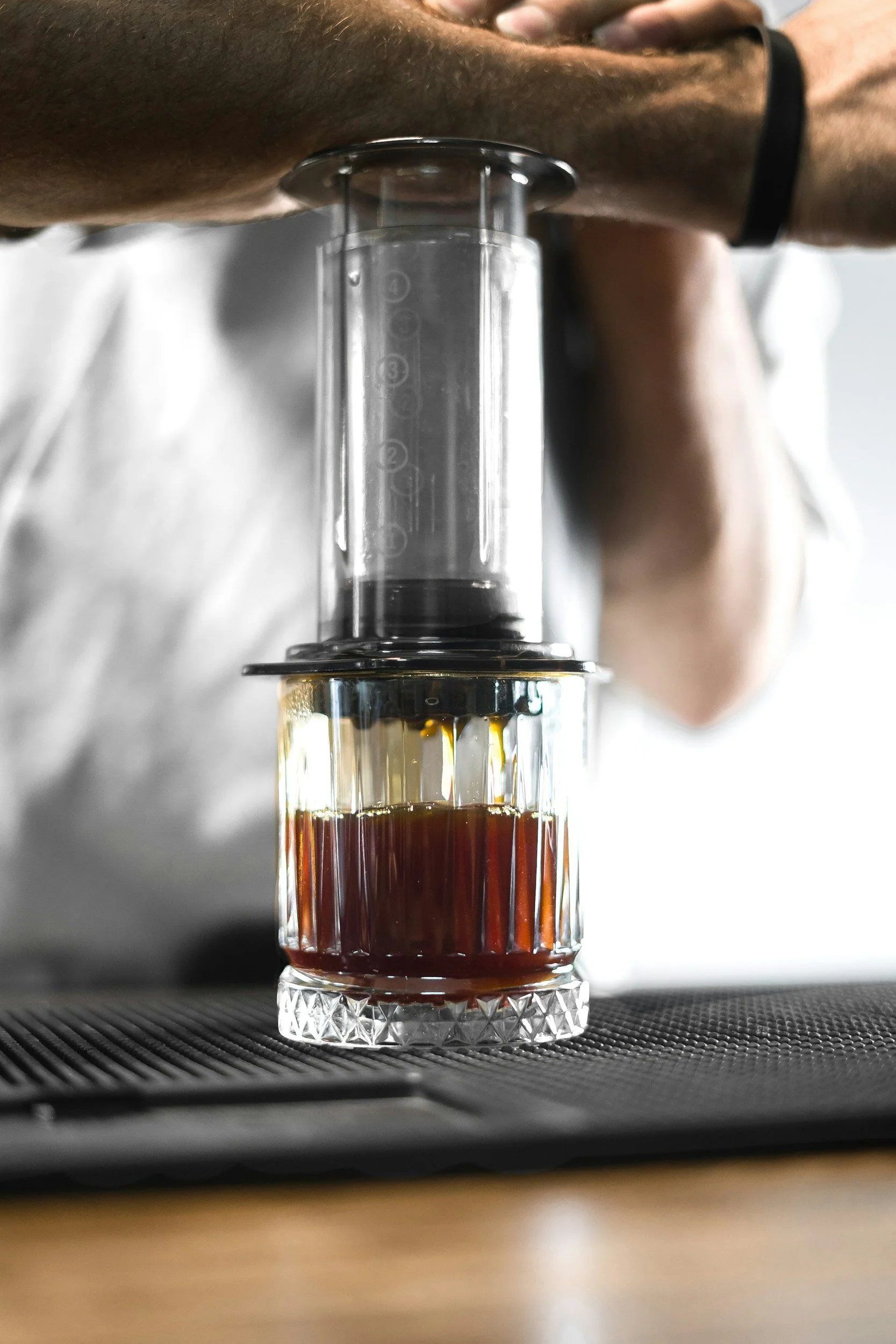
A slow, steady plunge usually produces a cleaner cup. A fast plunge can stir fines through the filter and make the finish feel rough. Press gently and stop when you hear a hiss to avoid squeezing out bitter compounds.
Practical Steps You Can Follow
- Step 1: Heat water and rinse the paper filter to remove any paper taste.
- Step 2: Start with 15 g coffee and 240 g water (about a 1:16 ratio).
- Step 3: Grind to a medium-fine texture (finer than drip, not espresso-fine).
- Step 4: Add coffee, pour water, stir 8 to 10 seconds, then steep 1:30 to 2:00.
- Step 5: Press slowly for 20 to 30 seconds. Stop at the hiss.

Clean Cup Techniques That Actually Work
The Standard Method for a clean daily cup
The standard method is the best baseline because it is quick and easy to repeat. If you want a smooth, balanced cup, start here and adjust one variable at a time.
- Ratio: 1:15 to 1:17
- Water temp: 85°C to 95°C (185°F to 203°F)
- Steep: 1:30 to 2:00
- Press: 20 to 30 seconds, gentle
The Inverted Method for more control
The inverted method reduces early dripping and gives you tighter control over steep time. It can produce a fuller cup without losing clarity.
- Insert the plunger slightly so the AeroPress can stand inverted.
- Add coffee and water, stir, and steep.
- Attach the filter cap, flip carefully onto your mug, then press slowly.
Slow Plunge for smoother texture
If your cup tastes rough, slow the plunge. A slower press reduces turbulence and helps the filter do its job. Aim for a consistent, gentle pressure.
Double Paper Filter for ultra-clean results
If you want maximum clarity, use two paper filters. This can reduce oils and fines even more. Expect a lighter body and a cleaner finish.
Paper vs metal filters
| Filter Type | What you get | Best for |
|---|---|---|
| Paper | Cleanest cup, less oil, less sediment | Bright coffees, clarity, smooth finish |
| Metal | More body and oils, slightly more texture | Richer cups, fuller mouthfeel |
Troubleshooting
- If it tastes sour: Grind slightly finer, increase steep by 15 to 30 seconds, or use slightly hotter water.
- If it tastes bitter: Grind slightly coarser, reduce steep time, or lower water temperature.
- If it tastes weak: Increase coffee dose (example: 15 g to 17 g) or reduce water slightly.
- If it tastes muddy: Press slower, use a paper filter, consider double filtering, and avoid aggressive stirring.
Recommended Gear and Products
These are practical picks that help most home brewers get cleaner, more consistent AeroPress cups. Choose based on your routine, not hype.
AeroPress Original Coffee Press
Best for: clean, smooth coffee with minimal setup
Why it helps: fast immersion plus filtration, easy to repeat, easy to travel with

Digital scale with timer
Best for: consistency and repeatable recipes
Why it helps: a scale removes guessing on dose and yield so you can dial in faster
Burr grinder
Best for: clean extraction and fewer harsh flavors
Why it helps: consistent particle size reduces bitterness, sourness, and muddy texture
Gooseneck kettle
Best for: controlled pours and stable water temperature
Why it helps: smoother pours make it easier to hit your recipe consistently
Further Reading and References
Common Mistakes to Avoid
- Grinding too fine: this can taste bitter and create hard plunges. Go slightly coarser first.
- Using boiling water by default: high heat can amplify harshness. Adjust temperature before overhauling your recipe.
- Pressing too fast: fast plunges can push fines through and roughen the finish. Press slowly and steadily.
Wrap Up
If your goal is clean, smooth coffee, the AeroPress is one of the most reliable tools you can own. Start with a simple standard recipe, press slowly, and adjust grind and temperature one step at a time. Once your baseline is consistent, experiment with inverted brewing, double filtering, and small ratio tweaks to match your taste.
Want more coffee guides? Explore more on the Sip and Sense Blog.
Related reads: How to Choose the Right Coffee Grinder for Your Home, Comparing Gooseneck Kettles for Precision Brewing, Mastering the Pour-Over: A Step-by-Step Guide
FAQ
What grind size should I use for AeroPress?
Start with a medium-fine grind. If the cup tastes sour, go finer. If it tastes bitter or presses too hard, go coarser.
Why does my AeroPress coffee taste bitter?
Bitterness is usually over-extraction. Try a slightly coarser grind, a shorter steep, or slightly cooler water, then keep everything else the same.
Do paper filters make AeroPress coffee cleaner?
Yes. Paper filters reduce oils and fines, which usually produces a cleaner cup and smoother finish compared with metal filters.
