

How Roasters Reduce Waste Through Better Practices
Coffee roasting turns raw coffee beans into the tasty drink we all enjoy. But, this process also creates a lot of waste. As coffee demand rises, the industry must find ways to be more sustainable and reduce its environmental impact.
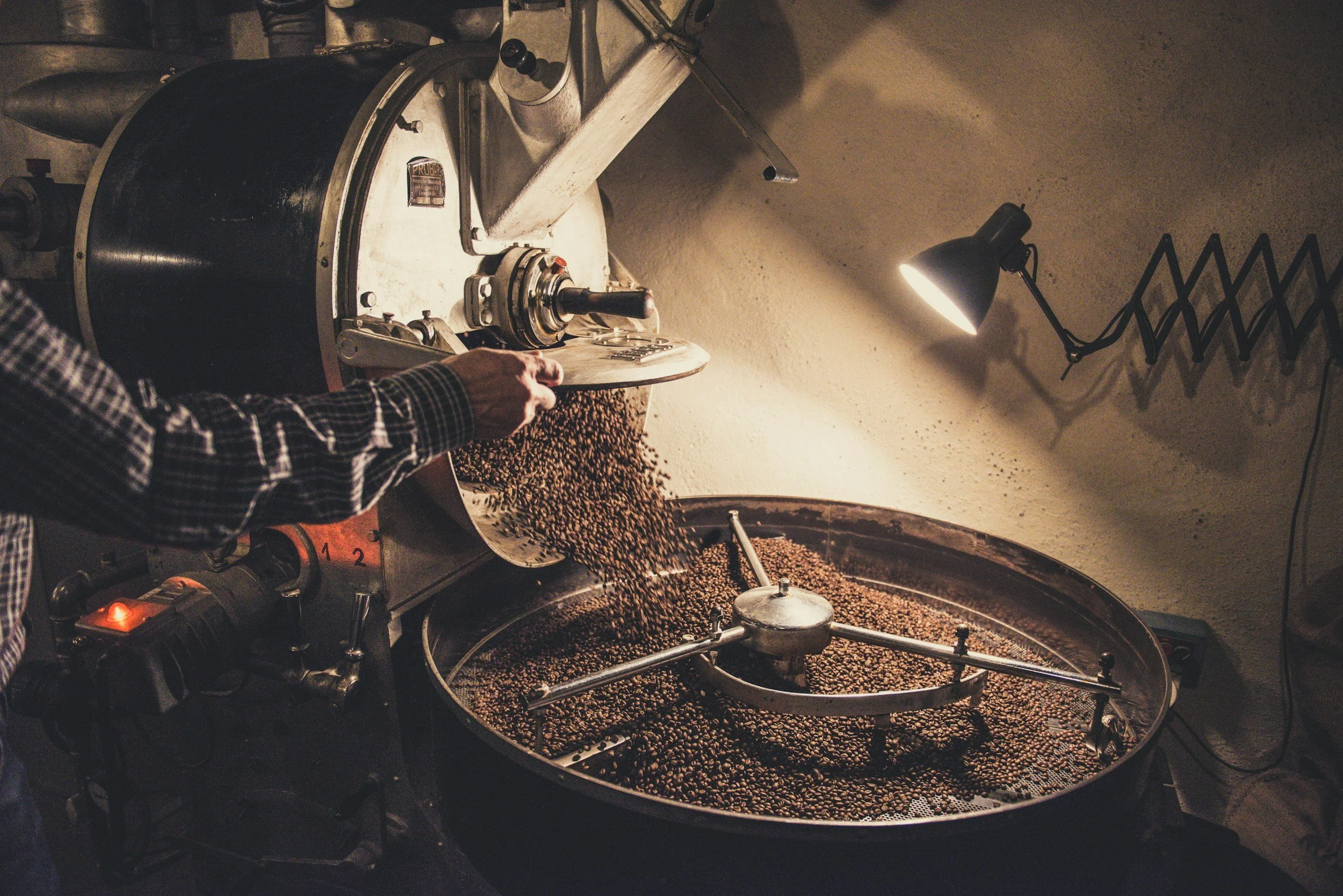
Many coffee roasters are now using new methods to reduce waste and promote sustainability. They're using efficient roasters and systems that turn waste into energy. For example, Compass Coffee uses Loring roasters that cut down on greenhouse gases and fuel use by up to 80%.
Key Takeaways
- Coffee roasting generates significant waste, but the industry is adopting sustainable practices.
- Innovative techniques, such as high-efficiency roasters and waste-to-energy systems, are being implemented.
- Companies like Compass Coffee are leading the way in sustainable coffee roasting.
- Sustainable roasting practices can significantly reduce the industry's environmental footprint.
- The adoption of sustainable practices is critical for the coffee industry's future.
Understanding Coffee Roasting Waste
Coffee roasting is becoming more popular, and it's key to understand the waste it creates. It's not just about turning green coffee beans into the tasty drink we love. It's also about the waste made during this process.
Types of Waste in Coffee Roasting
Coffee roasting makes several types of waste, mainly coffee chaff and packaging. Coffee chaff is the dry outer skin of the bean, removed during roasting. It can pile up a lot. Also, packaging like bags and boxes adds to the waste.
- Coffee chaff
- Packaging materials (bags, boxes, etc.)
Environmental Impact of Coffee Waste
The environmental effects of coffee roasting waste are wide-ranging. Coffee chaff, though organic, can harm the environment if not handled right. If it ends up in landfills, it breaks down and releases methane, a strong greenhouse gas.
Also, the making and throwing away of packaging materials harm the environment. They use resources and create waste. To lessen these effects, roasters are trying new things. Some use coffee chaff for compost or animal food. Others choose eco-friendly packaging, like recyclable or biodegradable stuff.
For more on how coffee roasting can be greener, check out this article on coffee and sustainability.
The Importance of Sustainability in Roasting
The world is getting more eco-friendly, and the coffee roasting industry is feeling the pressure. It's not just about cutting down on environmental harm. It's also about keeping the industry alive for the long haul.
Consumer Awareness
People are now more aware of how their choices affect the planet and society. In the coffee world, this means more demand for coffee that's good for the environment and fair to farmers. Roasters who go green are helping the planet and pleasing their eco-aware customers.
Sustainable practices in coffee roasting mean using green beans from eco-friendly farms. They also mean using less energy when roasting and cutting down on waste. These steps help roasters make a big difference for the environment.
Market Trends Favoring Sustainable Practices
The market is starting to favor eco-friendly choices. Eco-labels and certifications for sustainable coffee are becoming more popular. These labels help consumers make better choices and push roasters to be more sustainable.
Direct trade and fair trade are also on the rise. These practices make sure farmers get a fair deal for their coffee. This supports local economies and encourages farming that's good for the planet. By choosing direct trade, roasters can ensure their coffee is of high quality and sustainably made.
Efficient Sourcing of Green Coffee Beans
Direct sourcing is changing how coffee roasters get green coffee beans. It cuts waste and supports the environment. Roasters now deal directly with farmers, making the supply chain fair and open.
Direct Sourcing Initiatives
Direct sourcing gives roasters more control over their beans. It saves money by removing middlemen. It also builds a strong bond between roasters and farmers.
- Improved quality control through direct inspection of beans
- Enhanced transparency in the supply chain
- Better negotiation power for fair prices
- Opportunities for farmers to receive training and support
Building Relationships with Farmers
Strong relationships with farmers are key for direct sourcing. Roasters learn about farmers' challenges and local issues. This helps them improve their coffee and support farmers better.
- Regular visits to farms to monitor practices and provide feedback
- Training programs for farmers on sustainable farming practices
- Collaborative planning to ensure consistent quality and supply
Implementing Energy-Efficient Roasting Techniques
Starting to reduce waste and environmental impact in coffee roasting is easy. It begins with using energy-efficient techniques. These modern methods make the roasting process better for the planet without sacrificing coffee quality.
Upgrading Roasting Equipment
Upgrading to modern, energy-efficient roasting equipment is a smart move. New equipment uses less energy and roasts coffee consistently. For example, infrared roasting cuts down on energy use and lets roasters control the roasting process better.
Getting new, energy-saving equipment might cost more upfront. But, it saves money in the long run and helps the environment. Look for equipment with features like heat recovery systems to save even more energy.
Utilizing Renewable Energy Sources
Roasters can also use renewable energy to power their work. Solar, wind, and hydroelectric power are cleaner and more sustainable than fossil fuels. Using these sources can greatly reduce a roaster's carbon footprint.
For instance, solar panels on a roasting facility's roof can provide a lot of the energy needed. This lowers costs and makes the operation more eco-friendly. Some roasters also join community solar programs or buy renewable energy credits to support green energy when they can't install solar themselves.
Waste Management Practices in Coffee Roasting
Coffee roasting creates different types of waste. But, innovative roasters are finding ways to manage it sustainably. Good waste management is key to reducing the environmental impact of coffee roasting. It also makes the coffee industry more sustainable.
Composting Coffee Chaff
Coffee chaff is the dry outer layer of the coffee bean. It's a big byproduct of roasting. Many roasters now compost coffee chaff instead of throwing it away.
This practice reduces waste and creates a valuable resource for farming. Composted coffee chaff is full of nutrients. It can make soil healthier, acting as a natural fertilizer.
To compost coffee chaff, you collect it and mix it with other compost materials. It's important to get the carbon-to-nitrogen ratio right for good decomposition. Some roasters also use coffee chaff as mulch or in animal feed. This shows how versatile coffee waste can be.
Recycling and Repurposing Roasting Byproducts
Coffee roasters are also finding ways to recycle and repurpose waste. For example, coffee grounds can be used in brewing, gardening, or even in cosmetics. Coffee waste can be very useful if managed right.
- Partnering with local businesses to use coffee waste in their products
- Creating value-added products from coffee byproducts, such as coffee-flavored oils or biofuels
- Implementing closed-loop systems where waste is continuously cycled back into production
Monitoring and Measuring Waste Reduction
Monitoring waste reduction is key for coffee roasters on their sustainability journey. By knowing how much waste they produce, they can find ways to cut down. This helps them lessen their impact on the environment.
Data Collection Methods
Getting accurate data is the first step in reducing waste. Coffee roasters can use several ways to track their waste, such as:
- Regular weighing of waste materials
- Tracking energy and water consumption
- Monitoring production outputs
Setting Benchmarks for Improvement
After collecting data, setting benchmarks is next. These benchmarks help measure future improvements. They might include:
| Benchmark | Description | Target |
|---|---|---|
| Waste per unit of production | Amount of waste generated per kilogram of coffee roasted | Reduce by 10% annually |
| Energy consumption | Kilowatt-hours used per kilogram of coffee roasted | Reduce by 5% annually |
| Water usage | Liters used per kilogram of coffee processed | Reduce by 8% annually |
Setting clear benchmarks helps coffee roasters aim for real waste and environmental reductions. Continuous monitoring and adjustment are vital for lasting sustainability. Regular data review and strategy tweaks keep roasters on track to meet their waste goals.
Collaboration with Other Roasters
The coffee roasting community can make a big difference by working together. They can share their knowledge and resources to find the best ways to cut down on waste.
Sharing Best Practices
Collaboration among coffee roasters is key. They can share tips on energy-efficient roasting techniques and creative ways to use coffee waste. This way, they can learn from each other's successes and avoid mistakes.
Group Initiatives for Better Sustainability
Roasters can also join forces for bigger sustainability goals. They might create industry-wide standards for sustainable practices or work on research projects to find new waste-reducing methods. These efforts help not just individual businesses but the whole coffee industry.
Group efforts also give roasters a stronger voice for change. By speaking together, they can push for policies and incentives that support sustainable coffee production. This way, they can make a bigger impact on the industry.
Educating Staff on Waste Reduction
Teaching staff about waste reduction is key for roasters aiming for sustainability. As the coffee world grows, teaching staff to reduce waste is more important than ever.
Training Programs and Workshops
Starting with good training is the first step to less waste. Workshops on green roasting can really help staff learn how to reduce waste.
- Hands-on training on managing waste
- Workshops on roasting that saves energy
- Keeping staff updated on the latest in sustainability
Creating a Culture of Sustainability
Building a green culture is more than just training. It's about changing how staff see their role in saving the planet. This can happen by encouraging staff to lead in green efforts and praising them for helping cut waste.
| Strategy | Impact | Staff Engagement |
|---|---|---|
| Starting recycling programs | Less waste in landfills | High |
| Upgrading to energy-saving gear | Less energy use | Medium |
| Training staff on green practices | More staff using eco-friendly ways | High |
Engaging Customers in the Sustainability Effort
Getting customers involved in sustainability is key for coffee roasters. It boosts brand loyalty and helps the environment. Today, people want more than just good coffee. They want it to be sustainable too.
Promoting Eco-Friendly Products
One great way to get customers involved is by selling eco-friendly products. This includes coffee from sustainable farms, green packaging, and energy-saving roasting. By showing these green features, roasters attract more eco-conscious buyers.
| Eco-Friendly Product | Environmental Benefit |
|---|---|
| Sustainably Sourced Coffee Beans | Reduces deforestation and promotes biodiversity |
| Biodegradable Packaging | Minimizes landfill waste and reduces plastic use |
| Energy-Efficient Roasting | Lowers carbon footprint and reduces energy consumption |
Customer Feedback and Participation
It's also important to listen to customers and let them help with sustainability. Roasters can use surveys, social media, and in-store events to get feedback. This lets customers share their ideas on how to be greener.
"The most sustainable coffee roaster is one that listens to its customers and adapts to their needs while promoting eco-friendly practices." - Coffee Roaster Expert
The Future of Waste Reduction in Coffee Roasting
Coffee roasting is on the verge of a big change. New green practices are being developed to cut down waste. Roasters are looking into new technologies and methods to lessen their impact on the environment.
Emerging Trends
Advanced roasting technologies are becoming more common. These technologies use less energy and produce less chaff. Companies like Probat and Giesen are leading this innovation, making sustainable roasting easier for everyone.
Sustainability Goals
The coffee roasting industry is ready to make big steps in reducing waste. By using green practices, roasters can lower their environmental impact. This also helps improve their brand image and attract eco-aware customers.
FAQ
What is coffee chaff, and how is it managed in sustainable roasting? Coffee chaff is the dry, papery skin that comes off coffee beans during roasting. In sustainable roasting, it's often composted or repurposed. This reduces waste and helps the environment.
How do coffee roasters reduce energy consumption during the roasting process? Roasters use energy-efficient equipment and renewable energy. They also optimize roasting techniques to use less energy.
What role do consumers play in promoting sustainable coffee roasting practices? Consumers help by choosing eco-friendly products and giving feedback. They also join sustainability initiatives. This drives demand for greener roasting methods.
How do coffee roasters measure the effectiveness of their waste reduction efforts? Roasters track waste data and set improvement goals. They monitor progress to make informed decisions.
What are some examples of innovative waste management practices in coffee roasting? Roasters compost coffee chaff and recycle packaging. They also find new uses for roasting byproducts. This cuts down waste and environmental harm.
How do industry collaborations contribute to better sustainability in coffee roasting? Collaborations share best practices and drive group initiatives. They promote collective action to reduce waste and improve sustainability.
What is the importance of educating staff on waste reduction practices in coffee roasting? Educating staff is key to a sustainable culture. It ensures effective waste reduction strategies and a company-wide commitment to the environment.
How can coffee roasters engage customers in their sustainability efforts? Roasters can promote eco-friendly products and ask for feedback. They can also encourage customers to join sustainability efforts. This builds a shared commitment to the environment.
What are some long-term goals for sustainability in the coffee roasting industry? Goals include achieving net-zero waste and minimizing environmental impact. The aim is to promote sustainable practices throughout the supply chain, driving ongoing improvement and innovation.
How do sustainable roasting practices impact the overall quality of the coffee? Sustainable practices ensure green coffee beans are sourced and roasted responsibly. This preserves their unique flavors and characteristics, improving the coffee's quality.
Want more coffee guides? Explore more on the Sip and Sense Blog.
