

The Hidden Cost of Single-Use Coffee Pods
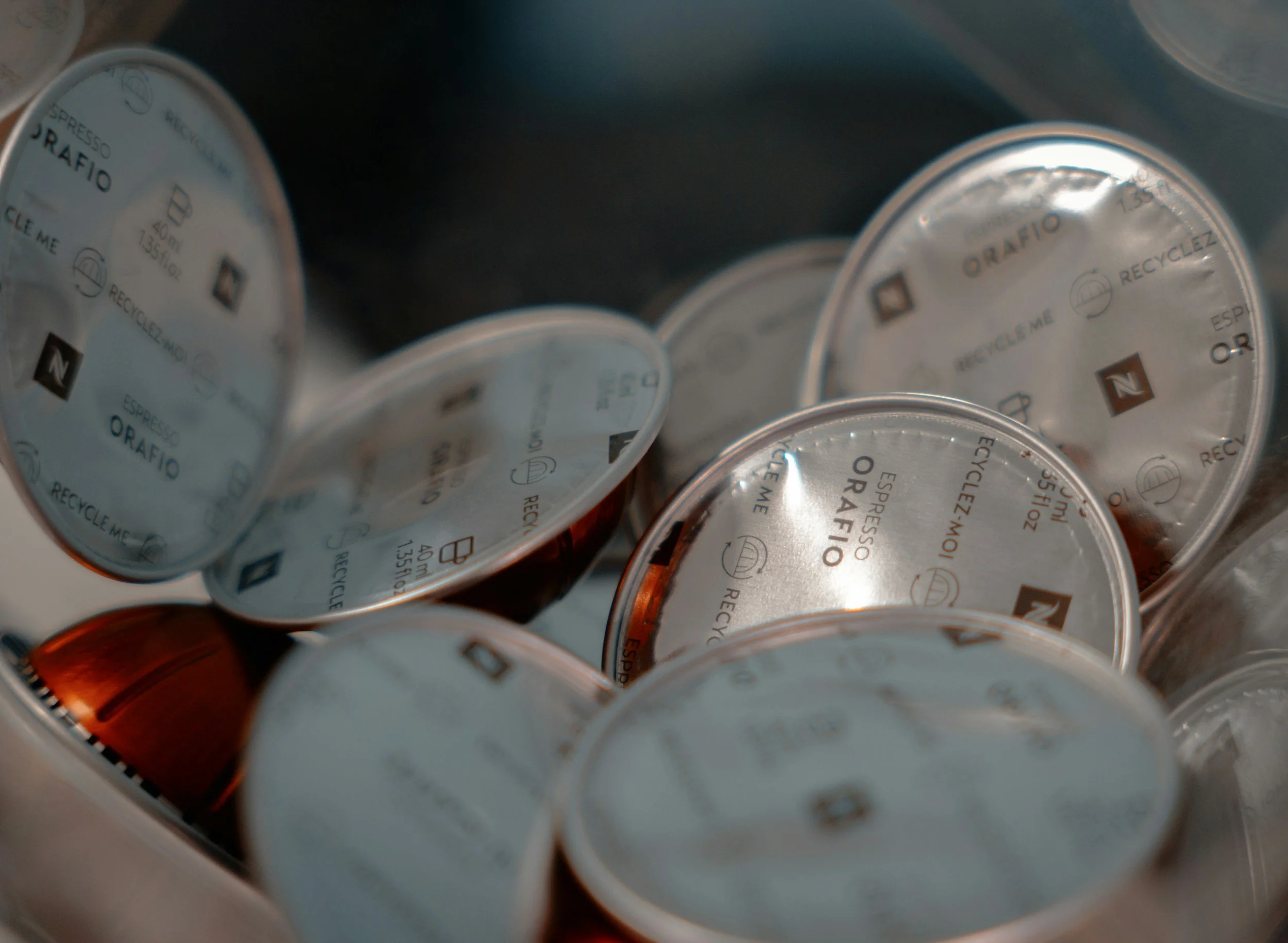
Every morning, millions of coffee drinkers reach for a single-use pod to start their day. It is a ritual built on convenience and speed. However, the real price of that morning cup is more than just a quick energy boost. There are big environmental issues tied to our coffee choices that we rarely see on the surface. Single-use coffee pods are easy to use but they harm the planet a lot. They contribute to a massive global waste problem that is only getting worse as more people adopt pod-based machines.
These pods are convenient, but millions end up in landfills and oceans every single year. This constant flow of plastic and aluminum makes the single-use coffee pods waste problem worse for future generations. In 2023 alone, world coffee consumption increased by 4.2 percent, which drove a surge in the production of these convenient but ecologically expensive capsules. Many of these pods are made of materials that are very difficult to process and often persist in the environment for up to 500 years. Transitioning toward sustainable coffee habits is now essential to protect the planet while preserving the quality of the coffee we enjoy.
Key Takeaways
- The environmental impact of single-use coffee pods is substantial and creates roughly 576,000 metric tons of waste annually.
- Millions of coffee pods end up in landfills and oceans every year because only 6 to 9 percent of plastics are actually recycled.
- Developing awareness of our coffee consumption habits is the most important step toward creating change.
- There are sustainable alternatives to single-use pods available, such as reusable stainless steel or silicone options.
- Choosing eco-friendly coffee options like shade-grown beans can greatly reduce waste and improve biodiversity on farms.
Key Background and Context
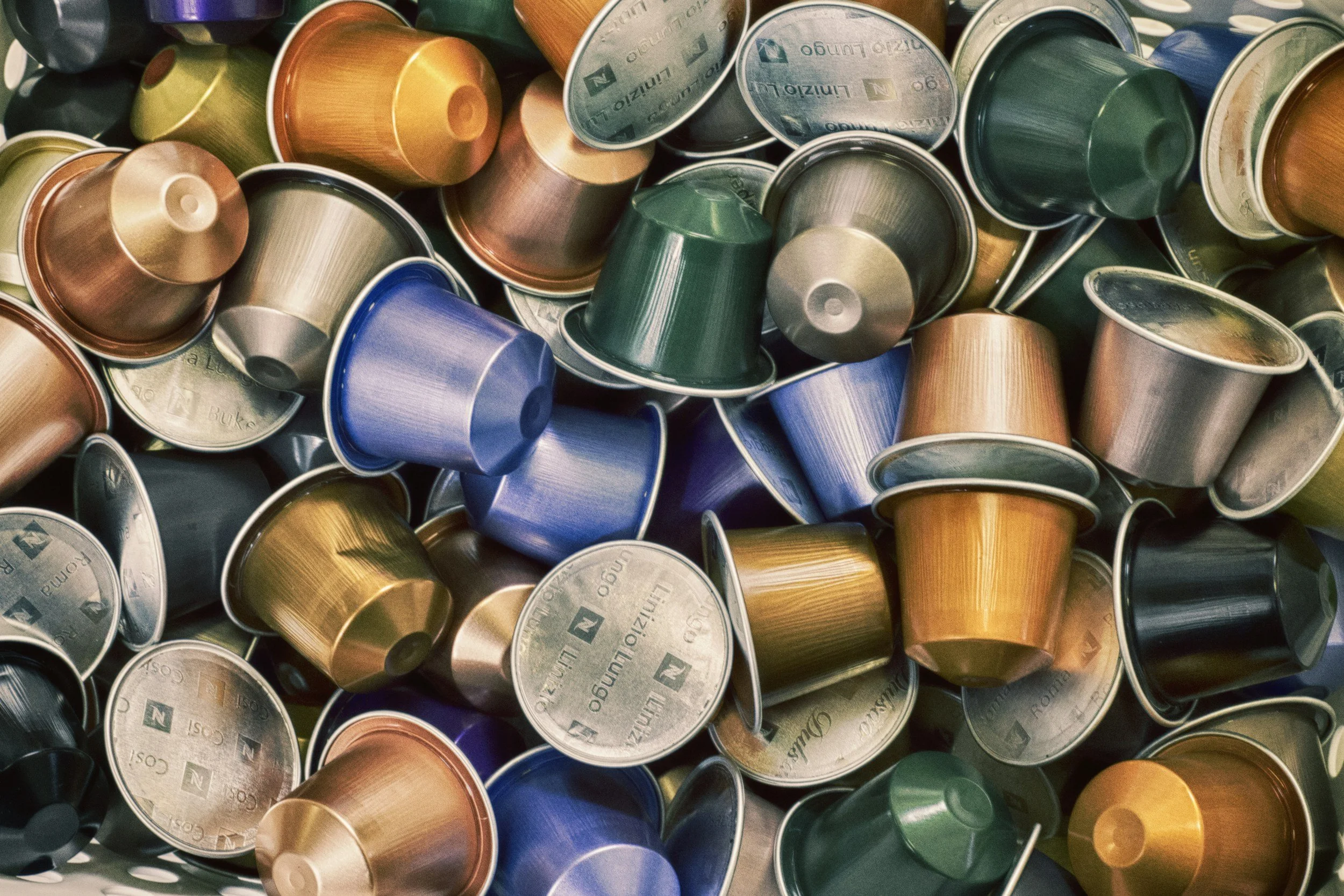
The rise of single-use pods has exacerbated a significant waste problem on a global scale. These small items contribute to a massive influx of non-biodegradable materials into our ecosystems every day. To put the growth in perspective, in 2018, approximately 59 billion pods were produced annually. That number was estimated to be even higher by late 2023 as the market continues to grow by roughly 7.3 percent each year.
The latest environmental statistics from the 2023 update reveal that annual global pod production now exceeds 60 billion pods. The landfill impact is particularly concerning, as approximately 90 to 95 percent of plastic pods end up in landfills or are burned. This generates a massive amount of capsule waste annually. When you consider that a standard plastic pod can take up to 500 years to break down, the short-term convenience seems very small compared to the long-term cost.
Understanding this context is vital for making better choices. We have to look at the history of how coffee is grown to find the solution. Shade-grown coffee has been around for centuries and represents a sustainable way to grow coffee where plants thrive under a canopy of trees, just like in nature. This is far better for the environment than the sun-grown coffee often used in mass-produced pods.
Core Concepts
A primary core concept for improvement in the coffee industry is shifting from high-waste systems to sustainable farming methods like shade-grown coffee. This agricultural method mimics the native environment of the coffee plant, using a canopy of trees to protect the crop. It stands in stark contrast to sun-grown systems which often involve forest clearing and create a low-biodiversity environment.
Another major concept is soil health. In sun-grown systems, the soil is prone to erosion and often requires high levels of chemical inputs and fertilizers to remain productive. In shade-grown systems, the trees prevent erosion and naturally enrich the fertility of the soil through leaf litter and organic matter. These trees also play a key climate role by acting as carbon sinks, absorbing $CO_{2}$ from the atmosphere.
Comparison: Sun-Grown vs. Shade-Grown Systems
| Feature | Sun-Grown (Traditional Pod Source) | Shade-Grown (Sustainable Choice) |
|---|---|---|
| Biodiversity | Low; often involves clearing forests. | High; supports birds and native flora. |
| Soil Health | Prone to erosion; requires chemical inputs. | Trees prevent erosion and enrich fertility. |
| Climate Role | Contributes to deforestation. | Trees act as carbon sinks, absorbing $CO_{2}$. |
The art of coffee brewing is also about understanding flavor profiles. These profiles are the unique mix of tastes and smells in your cup, ranging from fruity and floral to chocolatey or nutty. Knowing what you like is the key to picking the right brewer and bean. Flavor profiles come from the bean's origin, the roast level, and the brewing method itself. For example, a French press makes coffee bold and full-bodied, while pour-over gives a cleaner taste. Acidity, body, and sweetness all define the final flavor profile.
Practical Insights or Methods
Reducing your environmental footprint is entirely possible through specific, practical methods. Switching to reusable coffee pods made from stainless steel or silicone is one of the most effective ways to cut down on daily waste. Sustainable brewing methods like refillable capsules eliminate single-use waste entirely. This also allows you to use your own fresh, shade-grown grounds, which results in a better cup of coffee.
If you prefer the disposability of pods, there are compostable pods made from plant-based materials like cornstarch. These are designed to break down naturally in industrial facilities. Proper maintenance of reusable pods is also simple: just rinse them with warm water after each use and occasionally deep-clean them with a mixture of water and vinegar. You can also identify sustainable coffee by looking for credible labels on the store shelves, such as Bird-Friendly, Rainforest Alliance, or Fair Trade.
Your flavor preference should guide your choice of brewer. If you like strong coffee, you might try a French press or an Aeropress. For a clean taste, pour-over or drip brewing is usually better. Knowing how different brewing methods affect the final flavor helps you choose wisely and find the right balance for your taste. It is important to think about acidity, body, and sweetness when picking a brewer to enhance your overall experience.
Common Mistakes or Myths
One of the biggest myths about the hidden cost of coffee is that "recyclable" pods are always recycled. In reality, small plastic pods are often not captured by recycling facilities because of their small size. Sorting machines can miss them, and the difficulty of cleaning out wet coffee grounds makes them hard to process. This leads to most of them being sent to the landfill anyway.
Another myth is that sun-grown coffee is somehow better quality. The science shows that shade-grown beans ripen slower, which results in a richer and more complex flavor with smooth acidity. Many people also mistakenly believe that convenience must mean waste. Reusable pods prove that you can have a café-quality experience at home very quickly without the ecological toll of single-use capsules.
Advanced Tips or Deeper Analysis
A deeper analysis of the hidden cost shows that the tree canopy in shade-grown systems creates a vital microclimate. This canopy regulates temperatures and keeps the soil moist, which reduces the need for irrigation and prevents erosion. These trees play a critical role in climate resilience through carbon sequestration, storing carbon dioxide in their wood and soil to help fight global warming.
In 2023, independent research highlighted that virgin aluminum production for high-end capsules requires significant energy and generates toxic waste. While aluminum is touted as recyclable, independent sources suggest that actual recycling rates for these tiny items may be as low as 5 percent globally. Understanding how flavor influences your brewing choice and the core environmental impact of those choices allows every coffee drinker to enhance their personal experience while mitigating their ecological footprint.
"Shade coffee is not just a production system; it's a way of maintaining the ecological integrity of the landscape while producing high-quality coffee."
Single-Use Coffee Pods Applies in Real Life Brewing or Coffee Culture
In real-life coffee culture, choosing shade-grown beans directly protects critical habitats for migratory birds. By late 2023, the culture was also shifting toward precision agriculture, where farmers use technology and data to optimize their yields and cut waste. Consumers can participate by supporting local roasters who source directly from shade-grown farms and by switching to zero-waste pods like seaweed-based or fully compostable paper options. This choice enhances your coffee experience while contributing to a healthier planet.
Final Thoughts
The hidden cost of single-use pods is an environmental burden that we can overcome through informed consumer choices. Shade-grown coffee represents a path toward a sustainable future, offering a superior flavor profile while protecting the planet's biodiversity. By using reusable pods and looking for bird-friendly and eco-friendly certifications, you ensure that your daily cup contributes to the health of the environment and the global coffee communities. Understanding your preferences and the core environmental impacts allows you to enjoy your brew without a 500-year legacy of waste.
Frequently Asked Questions
They generate substantial plastic and aluminum waste that often ends up in landfills and oceans, where it can harm wildlife and ecosystems for centuries.
Yes, options include reusable stainless steel or silicone pods, plant-based compostable pods, and traditional brewing methods like pour-over or French press.
Look for credible certifications such as Bird-Friendly, Fair Trade, or Rainforest Alliance on the coffee packaging.
Yes, quality whole beans cost significantly less per pound than the coffee found in pre-packaged single-use pods, leading to long-term financial savings.
