

The Birth of Coffee Culture in Ethiopia
In the highlands of Ethiopia, a rich cultural heritage has been brewing for centuries. Coffee is more than just a drink; it's a symbol of community, tradition, and identity.
The birth of coffee culture in Ethiopia
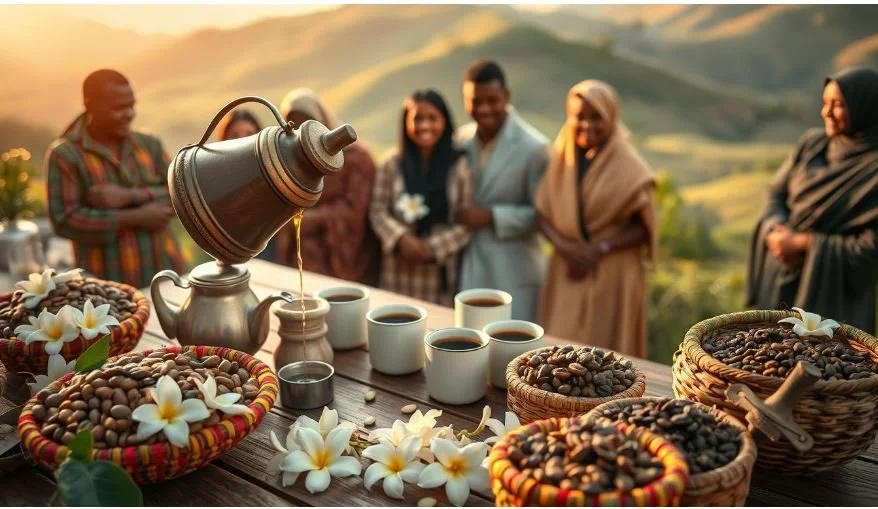
The story of Ethiopian coffee is one of discovery and adventure, with roots dating back to the 9th century. As the birthplace of Arabica coffee, Ethiopia has nurtured a unique
coffee culture. This culture is deeply ingrained in its society.
Ethiopian coffee history shows the country's dedication to preserving its cultural heritage. From traditional coffee ceremonies to modern coffee shops, the love for coffee continues to unite Ethiopians. It also inspires coffee enthusiasts worldwide.
Key Takeaways
Ethiopia is the birthplace of Arabica coffee.
Coffee plays a significant role in Ethiopian culture and tradition.
Ethiopian coffee history dates back to the 9th century.
Traditional coffee ceremonies are an integral part of Ethiopian society.
Ethiopian coffee continues to inspire coffee enthusiasts globally.
The Historical Roots of Coffee in Ethiopia
The story of coffee in Ethiopia is filled with myths, with the legend of Kaldi being the most famous. It tells of a goat herder named Kaldi who noticed his goats were more energetic after eating red berries. This tale has been passed down, showing the strong bond between coffee and Ethiopian culture.
The Legend of Kaldi and the Coffee Beans
The legend of Kaldi is more than a story; it highlights coffee's importance in Ethiopia. A this guide explains, the legend has shaped the country's coffee culture. Kaldi tried the red berries and felt energized, then shared this with local monks.
The monks used the berries to stay awake during prayers. This started coffee's journey in Ethiopia.
"Coffee is the common man's gold, and like gold, it brings to every person the feeling of luxury and nobility."
This quote, though not from Ethiopia, shows coffee's value in Ethiopian society.
Early Consumption Practices
In Ethiopia, coffee was more than just a drink; it was a ritual. It was brewed in a jebena, a clay pot, and served in small cups. This tradition is still kept alive today, showing coffee's lasting impact on Ethiopian culture.
The coffee ceremony is key to social gatherings and community bonding.
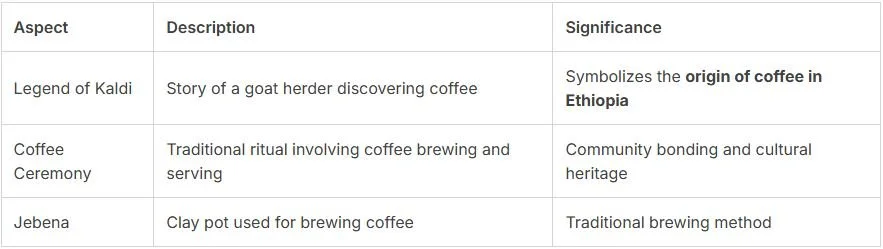
The history of coffee in Ethiopia is rich and complex, blending myth and fact. Understanding this history helps us see why coffee is so important in Ethiopian society today.
The Discovery of Coffee as a Beverage
The traditional Ethiopian coffee ceremony is a key part of the country's coffee culture. It's more than just drinking coffee; it's a way to connect with others. The ceremony involves several steps to make coffee from raw beans.
Traditional Brewing Methods
Ethiopian coffee is famous for its traditional brewing ways. First, raw coffee beans are roasted over an open flame. Then, they're ground by hand and brewed in a jebena, a clay pot with a long neck. The smell of roasting coffee signals the start of the ceremony.
The coffee is ground with a mortar and pestle, releasing its flavors and aromas. Grinding by hand adds to the ceremony's sensory experience. The coffee is then brewed in the jebena, heated over a flame.
The jebena is a traditional Ethiopian clay pot used for brewing coffee.
The coffee is brewed over an open flame, allowing the flavors to meld together.
The brewing process is an art form, requiring patience and skill.
The Role of Water in Brewing
Water is key in Ethiopian coffee brewing. The quality of the water greatly affects the coffee's taste. Traditionally, Ethiopians use fresh, clean water for the best flavor.
The coffee-to-water ratio is also important. It varies based on personal taste. The coffee is brewed until it's just right, filling the air with its aroma.
Use fresh, clean water to brew the coffee.
Adjust the coffee-to-water ratio to suit your taste.
Brew the coffee in a jebena over an open flame.
The story of coffee in Ethiopia is one of tradition, community, and love for coffee. The traditional brewing methods and the importance of water show coffee's cultural value in Ethiopian society.
Coffee's Journey to the Ethiopian Cafes
Coffee's path to Ethiopian cafes is filled with cultural and social ties. It has woven itself into the fabric of community life.
The Rise of Coffee Houses
In Ethiopia, coffee houses called bunna bets have a long history. They are key to social gatherings, where people enjoy coffee and talk.
Coffee's importance in Ethiopian culture is huge. It's not just a drink; it's a way to connect. In bunna bets, coffee is made with care, using methods passed down through generations.
Coffee is carefully selected and roasted to perfection.
The aroma of freshly brewed coffee fills the air, creating a warm and inviting atmosphere.
Guests are treated with respect and hospitality, making every visit a memorable experience.
A Social Hub for the Community
Bunna bets are more than coffee shops; they're community centers. People gather to talk about local news and politics. These places build a sense of community and belonging.
In these lively spots, people from different backgrounds share stories and enjoy coffee together. The bond formed in bunna bets shows coffee's power to unite people.
Coffee houses provide a space for social interaction and community building.
The traditional coffee ceremony is an integral part of the social experience.
Coffee houses play a vital role in preserving cultural heritage and traditions.
Exploring coffee's journey to Ethiopian cafes reveals more than just a place for coffee. These spots are vibrant, celebrating culture, community, and connection.
The Role of Coffee Ceremonies in Ethiopian Culture
The coffee ceremony is at the heart of Ethiopian culture. It shows respect, friendship, and community. This tradition is key to social life, showing the country's rich culture and unity.
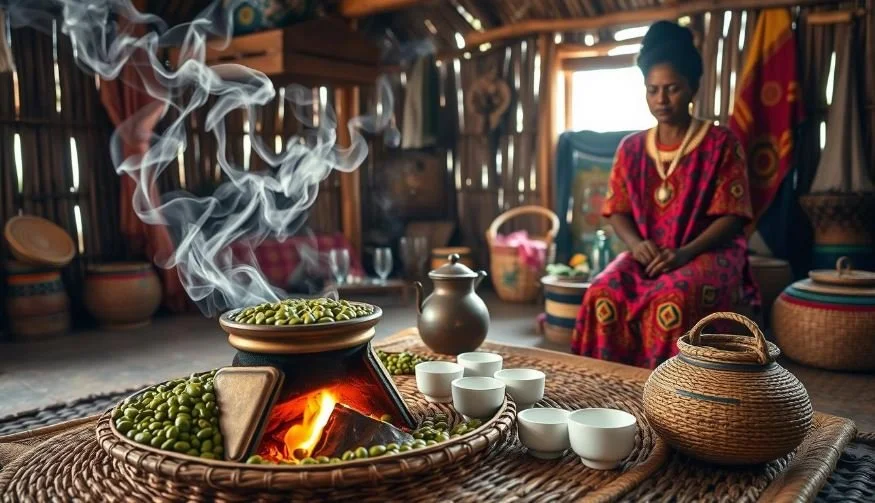
Ethiopian coffee ceremony
Rituals and Practices
The Ethiopian coffee ceremony is detailed. It starts with roasting green coffee beans, then grinding them. The coffee is brewed in a jebena, a traditional clay pot. A host, often a woman, invites neighbors and family to join.
The aroma of roasted coffee fills the air, making it welcoming. Coffee is served in small cups. People talk, share stories, and enjoy each other's company. This strengthens social bonds and community ties.
Symbolism and Significance
The coffee ceremony is full of symbolism. It shows hospitality, respect, and friendship. Sharing coffee is a sign of goodwill and peace, showing the host's generosity.
The ceremony's significance goes beyond social interactions. It's also part of cultural and religious rituals. It's a tradition passed down through generations, keeping Ethiopia's cultural heritage alive.
In conclusion, the coffee ceremony is crucial in Ethiopian culture. It connects tradition and community. Its importance is deeply rooted in Ethiopia's history and social fabric, making it a key part of coffee culture development in Ethiopia.
The Impact of Religion on Coffee Culture
Religion has shaped Ethiopia's coffee culture for centuries. Coffee is a key part of many religious traditions here. It influences how coffee is made, enjoyed, and celebrated.
Coffee and Ethiopian Orthodox Traditions
The Ethiopian Orthodox Church is very old and has a big impact on coffee culture. Coffee is seen as a symbol of welcome and community. It's served at religious festivals to honor the day and unite people.
In many Orthodox homes, coffee ceremonies are a big part of life. They happen on religious holidays. The coffee-making process is done with care, making the ceremony a time for socializing and thinking deeply.
Coffee in Islamic Practices
Islam also shapes Ethiopia's coffee culture, especially in Muslim areas. Coffee has been a part of Islamic traditions for centuries. It brings people together during religious events and celebrations.
In some Muslim communities, coffee is drunk during Ramadan to end the fast. It's also served at other religious times. The coffee ceremony shows hospitality and generosity, reflecting Islamic values.
To learn more about coffee's history, check out the history of coffee. It shows how coffee has changed over time and its role in different cultures.
The Global Spread of Ethiopian Coffee
Ethiopian coffee has traveled the world, changing coffee culture and boosting the economy. It's a leader in the coffee world, spreading far and wide. It has made a big impact on coffee cultures and trade.
Influence on Other Coffee Cultures
Ethiopian coffee's rich flavors have won over coffee lovers everywhere. It has shaped coffee traditions in many countries. For example, Brazil and Colombia have added Ethiopian coffee beans to their mix, making their coffee even better.
Ethiopian coffee has been welcomed by many cultures. In the Middle East, it's a key part of coffee ceremonies. In Europe, it's loved for its unique taste.
Coffee Trade and Export
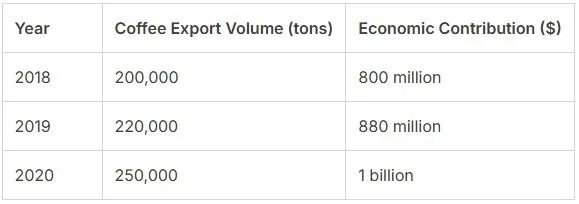
Ethiopian coffee is a big deal in the global coffee market. It's a major part of the country's economy, with coffee being a top export.
YearCoffee Export Volume (tons)Economic Contribution ($)2018200,000800 million2019220,000880 million2020250,0001 billion.
Coffee Varieties Indigenous to Ethiopia
Ethiopia is where Arabica coffee was first found. It has many coffee types, each with its own taste. The country's different climates, soils, and heights mix to create a wide range of coffee flavors.
Arabica and Its Unique Characteristics
Ethiopia is famous for its Arabica coffee. It's known for its soft flavors and sharp acidity. Ethiopian Arabica varieties like Sidamo, Yirgacheffe, and Harrar have special tastes.
Sidamo coffee tastes balanced, with citrus and floral notes. Yirgacheffe is loved for its light floral and citrus flavors. Harrar coffee is known for its fruity and wine-like taste, with a bit of acidity.
Local Names and Their Histories
Ethiopian coffee varieties have names that tell where they come from or what they taste like. For example, Yirgacheffe coffee comes from the Yirgacheffe district in the Gedeo Zone. It's known for its high-quality coffee.
Harrar coffee is named after the city of Harar. It's a historic center of coffee trade.
These names are important because they show the culture and history of Ethiopian coffee. They also show the genetic diversity of Ethiopian coffee, kept alive by traditional farming.
Ethiopia's coffee history is not just about the coffee. It's about the people and traditions that have shaped it over centuries. Exploring Ethiopia's coffee varieties helps us appreciate its role in the world's coffee scene.
Ethiopian Coffee Farms and Sustainability
Ethiopian coffee farms are leaders in sustainability. They use traditional methods passed down through generations. These methods add to the unique taste of Ethiopian coffee and help protect the environment.
Traditional Farming Methods
Ethiopian coffee farmers grow coffee in harmony with nature. They use agroforestry, growing coffee under trees. This keeps biodiversity and soil healthy.
Agroforestry is key in Ethiopian coffee farming. It lets farmers keep the natural ecosystem while making great coffee.
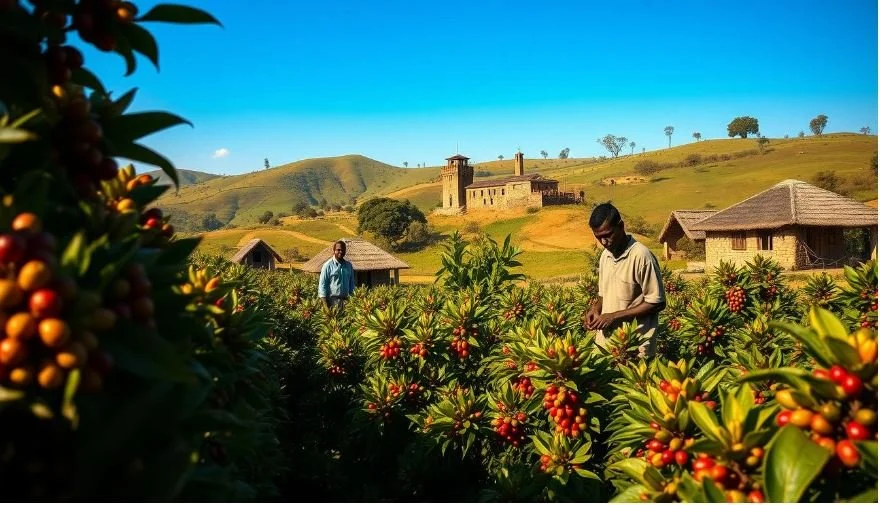
Ethiopian coffee farms sustainability
The Importance of Fair Trade
Fair trade is crucial for Ethiopian coffee farmers. It ensures they get a fair price for their coffee. This helps improve their lives and their communities.
By choosing fair trade coffee, consumers help a more sustainable coffee industry. This benefits Ethiopian coffee farmers greatly.
Modern Adaptations of Ethiopian Coffee
As the world discovers Ethiopian coffee, local communities are innovating traditional recipes and hosting vibrant coffee festivals. This mix of old and new is preserving Ethiopian coffee's cultural heritage. It's also bringing it to the global stage.
Innovating Traditional Recipes
Ethiopian coffee is known for its unique flavors. Modern brewing techniques are enhancing these flavors. Coffee shops in Ethiopia are now trying cold brew and nitro coffee.
This adds a refreshing twist to traditional coffee ceremonies.
Cold brew coffee made from Ethiopian beans is gaining popularity worldwide.
Nitro coffee is adding a creamy texture to the traditional coffee experience.
Innovative brewing methods are attracting a new generation of coffee enthusiasts.
Coffee Festivals and Events
Coffee festivals have become a big part of Ethiopian culture. They celebrate the country's rich coffee heritage. These events bring together local farmers, coffee shop owners, and enthusiasts.
They share knowledge and showcase the latest coffee production innovations.
"Coffee festivals are not just about celebrating coffee; they're about community building and preserving our cultural heritage." - A local coffee farmer
Some notable coffee festivals include:
The Ethiopian Coffee Festival, which attracts visitors from around the world.
Local coffee competitions that encourage innovation among coffee producers.
Workshops on sustainable coffee production practices.
These events are key in promoting Ethiopian coffee globally. They support local communities. They show the importance of coffee in Ethiopia, as a symbol of hospitality and community.
The Role of Women in Ethiopian Coffee Culture
Women play a big role in Ethiopian coffee culture. They are involved in coffee production and in the traditional coffee ceremonies. These ceremonies are key to Ethiopian social life.
Empowerment through Coffee Production
Women in Ethiopia are key in coffee production. They do everything from planting to harvesting. This work gives them income and power in their communities.
Coffee production empowers women in Ethiopia. It lets them be part of the economy and gain independence. It also helps keep traditional farming alive and ensures coffee production stays sustainable.
Women’s Participation in Coffee Ceremonies
Coffee ceremonies are a big part of Ethiopian culture. Women are at the heart of these, preparing the coffee. They roast, grind, and brew the coffee in a jebena.
"Coffee ceremonies are a symbol of hospitality and respect in Ethiopian culture, and women are the guardians of this tradition."
Women's role in coffee ceremonies is also about keeping culture alive. They teach the next generation about coffee traditions. This keeps Ethiopian coffee culture going strong.
Women are key players in Ethiopian coffee production.
Their involvement in coffee ceremonies strengthens community bonds.
Coffee production and ceremonies empower women economically and socially.
In summary, women are crucial to Ethiopian coffee culture. They help with coffee production and ceremonies. Their work is both economically and culturally important, keeping Ethiopian coffee traditions alive.
The Global Coffee Market and Ethiopia's Place
Ethiopia has a long history of coffee making. It plays a big role in the global coffee world, both economically and culturally. The country's coffee exports help its economy a lot.
Economic Contributions of Coffee
Coffee is a big deal for Ethiopia, helping its economy a lot. It gives jobs to millions, from farmers to traders. Coffee exports are a big part of Ethiopia's foreign money.
YearCoffee Export Volume (tons)Earnings (USD million)2020220,0008502021230,0009002022240,000950
Coffee does more than just bring in money. It also helps local economies through coffee-related jobs. The coffee industry is a big part of Ethiopia's GDP, helping the country grow.
"Coffee is not just a commodity; it's a way of life in Ethiopia. The traditional coffee ceremony is an integral part of our culture, bringing people together and fostering social bonds." - Ethiopian Coffee Farmer
Ethiopia’s Unique Branding
Ethiopia's coffee is famous for its unique tastes and quality. This is thanks to the country's many coffee types and old farming ways. The branding of Ethiopian coffee tells the story of its heritage.
Key factors contributing to Ethiopia's unique branding include:
Diverse coffee varieties, such as Yirgacheffe and Sidama
Traditional farming and processing methods
Rich cultural heritage associated with coffee production
Ethiopia has used its unique coffee brands to get a big share of the global market. Its coffee is sold under names like Heirloom and Yirgacheffe, known for their special tastes.
The global coffee market is always changing. People want high-quality, eco-friendly coffee more and more. Ethiopia is ready to take advantage of this trend, thanks to its famous coffee.
Celebrating Ethiopian Coffee Culture Today
Ethiopian coffee culture is rich and vibrant, captivating coffee lovers everywhere. It's deeply rooted in history and traditions, making it a key part of Ethiopia's identity.
Preserving Traditions
Community efforts are crucial in keeping Ethiopian coffee culture alive. Local farmers, traders, and coffee ceremony experts work together. They mix traditional methods with modern innovations.
This mix keeps Ethiopian coffee relevant globally.
Global Appreciation
Ethiopian coffee is now recognized worldwide for its unique flavors and cultural value. As people choose their coffee more carefully, Ethiopian coffee shines. It's known for its distinct taste and sustainable production.
This shows Ethiopia's dedication to fair trade and caring for the environment.
By celebrating Ethiopian coffee culture, we honor its role in the world of coffee. We also support the communities that make it possible. Ethiopian coffee will continue to be a treasured part of our global coffee heritage.
FAQ
What is the significance of coffee in Ethiopian culture?
Coffee is very important in Ethiopian culture. It's used in social gatherings, ceremonies, and daily life. It shows hospitality, respect, and brings people together.
What is the legend behind the discovery of coffee in Ethiopia?
The legend of Kaldi tells how coffee was discovered. Kaldi, a goatherd, noticed his goats got more energetic after eating coffee plants. This story is a big part of Ethiopian coffee history.
What is the traditional Ethiopian coffee ceremony?
The traditional Ethiopian coffee ceremony is special. It involves roasting, grinding, and brewing coffee in a clay pot called a jebena. It's a time for people to come together.
How has Ethiopian coffee influenced global coffee culture?
Ethiopian coffee has greatly influenced global coffee culture. Its unique flavors and varieties are loved by coffee lovers. It has also changed how coffee is made and traded worldwide.
What are some of the unique coffee varieties found in Ethiopia?
Ethiopia has many coffee varieties, like Gesha and Yirgacheffe. These are known for their unique tastes and are very popular among coffee lovers.
How do Ethiopian coffee farmers benefit from fair trade practices?
Fair trade helps Ethiopian coffee farmers get a fair price for their coffee. This lets them improve their lives and help their communities. It also supports sustainable farming and fairness.
What role do women play in Ethiopian coffee culture?
Women are key in Ethiopian coffee culture. They help with coffee production, processing, and ceremonies. They also keep traditional coffee practices alive for future generations.
How is Ethiopian coffee adapting to modern trends and innovations?
Ethiopian coffee is changing with new trends and ideas. There are new coffee products, blends, and brewing methods. Coffee festivals and events also help show off Ethiopian coffee's unique heritage.
What is the economic significance of coffee in Ethiopia?
Coffee is a big deal for Ethiopia's economy. It brings in a lot of money and helps the country grow. It also creates jobs for many people in rural areas.
How can we celebrate and preserve Ethiopian coffee culture?
To celebrate and keep Ethiopian coffee culture alive, we should support fair trade and Ethiopian farmers. We should also appreciate coffee's cultural value. Preserving traditional practices and promoting cultural exchange are also important.
